From Classroom to Care: What You Can Expect in Your CNA Training Journey
The path to becoming a Certified Nursing Assistant begins with a carefully balanced combination of academic learning and practical application. Students will explore key subject areas, from the study of anatomy to patient care techniques. This fundamental training sets the stage for real-world training that cultivate critical skills. Yet, the shift from academic theories to real-world care environments introduces unique challenges and opportunities. Recognizing these factors is vital for individuals pursuing this direction. What insights await as the journey unfolds?
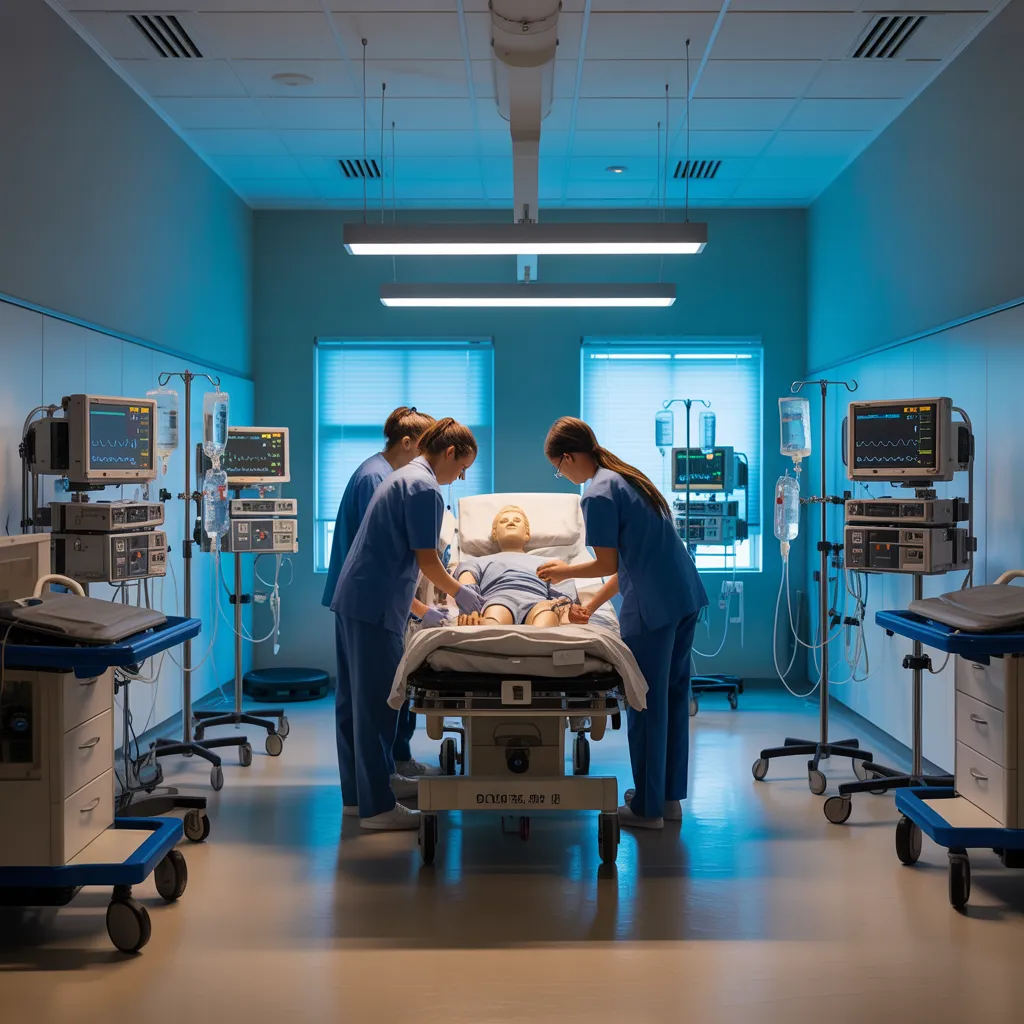
Exploring the Responsibilities of a Certified Nursing Assistant
CNAs additionally play a key role in upholding a safe and clean associated article environment, which is integral to patient healing and recovery. They often provide compassionate emotional support, supporting patients through their health-related challenges. This position demands strong communication skills and compassion, as CNAs interact closely with patients and their families. At the core, the CNA's contributions are essential in promoting quality care and enhancing the overall patient experience in diverse healthcare environments.
Critical Skills for Proficient CNA Practice
Acquiring essential skills is vital for proficient CNA work. CNAs are required to build a variety of competencies to deliver exceptional patient care. Among these, communication stands out as key; CNAs must convey information clearly to patients and medical staff alike. Additionally, skill in essential medical procedures, such as measuring vital signs and helping with everyday tasks, forms the foundation of their responsibilities.
Time management skills are equally important, allowing CNAs to manage their tasks with efficiency in often fast-paced environments. Compassion and empathy help build meaningful connections with patients, contributing positively to their overall quality of care. Furthermore, adhering to infection control standards is vital for maintaining a safe care environment. Finally, strong critical thinking supports the early detection of changes in patient conditions, facilitating quick and effective medical action. Developing and refining these abilities allows CNAs to make meaningful contributions to patient care while advancing the healthcare team's goals.
CNA Classroom Experience: A Complete Overview
The instructional program for future Certified Nursing Assistants focuses on delivering the essential competencies required for successful practice. Students can expect a comprehensive program that explores critical areas such as anatomy, patient care methods, and effective communication. Lectures, discussions, and multimedia presentations are common methods of instruction, fostering an engaging learning environment.
Educators, often experienced healthcare professionals, provide valuable insights and real-world examples. Testing through quizzes and exams is used to assess understanding and retention of the subject matter. Furthermore, participants may take part in group projects and case studies, developing cooperative skills and problem-solving capabilities.
The classroom setting encourages interaction, permitting students to raise questions and better understand key concepts. This encouraging environment is essential for developing confidence prior to transitioning to hands-on training. Overall, the classroom experience sets the stage for a rewarding career as a CNA, underscoring the value of both understanding and compassion in delivering patient care.
What Hands-On Training Looks Like for CNAs
Practical training for aspiring Certified Nursing Assistants immerses students in practical applications of their classroom knowledge. This period generally occurs in clinical settings, where students are guided by seasoned professionals. They learn essential skills such as basic medical procedures, patient hygiene, and mobility support.
In these sessions, students interact directly with patients, gaining valuable experience in communication and empathy. They practice vital sign measurement, monitor patient care routines, and grow familiar with the healthcare environment.
Hands-on training also emphasizes teamwork and collaboration, as students frequently collaborate with fellow medical practitioners. Such experiences not only enhance their practical skills but also promote a greater appreciation for the collaborative aspects of patient care.
Ultimately speaking, this real-world training is vital in training future CNAs for the demands and duties they will navigate in their working lives, offering them a robust foundation for their professional journey.
How to Get Certified as a CNA
Upon finishing clinical training, those pursuing CNA certification must undergo the certification process to formally begin their career. This credentialing journey usually involves enrolling in a state-authorized credentialing exam, which commonly encompasses both written and practical components. Candidates should thoroughly review the requirements outlined by their state's licensing board, as guidelines may differ from state to state.
In preparation, a large number of people choose to use study guides or complete practice tests that mirror the content of the exam. After successfully completing the exam, candidates typically receive a certification that qualifies them to work as a CNA.
Aside from passing the exam, some states may require background checks or additional training certifications. Upon receiving certification, CNAs are also expected to keep up with continuing education requirements to maintain their certification. This path is essential for ensuring that prospective CNAs possess the essential knowledge and competencies to offer exceptional care in diverse healthcare settings.
Professional Paths for CNAs
Investigating various career opportunities, certified nursing assistants (CNAs) can discover positions in various healthcare settings, including hospitals, nursing homes, and home health agencies. In hospital settings, CNAs regularly help nursing professionals with essential sign monitoring, daily activities, and patient care, developing vital skills in fast-paced environments. Long-term care facilities provide CNAs with the opportunity to build meaningful connections with patients, focusing on emotional support and long-term care.
Home health agencies allow CNAs to function independently, attending to patients within their residences, which fosters autonomy and personalized care. Furthermore, certain CNAs have the option to focus in areas such as geriatrics or pediatrics, strengthening their capabilities and career prospects.
As they gain experience , CNAs can advance to roles such as nurse supervisory roles or seek additional training to qualify as LPNs or RNs . Every route provides distinct chances for professional development and personal satisfaction in the healthcare field .
Common Questions and Answers
What Is the Typical Salary for a CNA?
The typical salary for a CNA (Certified Nursing Assistant) commonly sits in the range of $25,000 to $35,000 each year, depending on factors such as the specific healthcare facility, location, and level of experience.
Do Age Restrictions Apply to CNA Training?
The age requirements for CNA training programs commonly mandate that applicants be no younger than 18 years old. Some programs may accept individuals as young as 16, provided they meet specific conditions, such as parental consent and state regulations.
Can I Work Part-Time While Training?
Indeed, people can pursue part-time jobs while participating in CNA training. Managing both work and study may provide financial support, but diligent scheduling is essential to ensure successful completion of the training program and practical experience.
What Should I Do if I Fail the Certification Exam?
Should someone fail the certification exam, they have the option to retake it after a required waiting period. A great number of test takers find that extra study and practice boost their likelihood of success, building resilience and a more thorough understanding of the subject matter.
Are Online CNA Training Options an Option?
Indeed, numerous online CNA training options are available, offering students greater adaptability. These programs often combine virtual classes with hands-on clinical experience, allowing students to complete theoretical components remotely while fulfilling necessary practical requirements at specified sites.